Refining the Game for Maximum Fun (and Safe Driving)
When I first shared A Game of Homophones – Keeping Minds Sharp on the Road, the goal was simple for me. That was to create a fun, engaging way to keep minds sharp during long drives by engaging with your driving partner(s). What I didn’t fully anticipate was just how much insight real players would bring once the game hit the road.
After running both Alpha and Beta testing with live travel partner(s), a few key improvements emerged. Some of those were expected and some were surprising, while all are valuable. These updates to the game and rules make the play smoother, safer, and more competitive than the original version.
Let’s dive into what I’ve changed and why it matters.
1. Precision Matters: Removing Tricky Contractions
One of the first pieces of feedback received centered around conjunctions and contractions, particularly words like:
- there / they’re / their
While technically valid homophones, these created unnecessary confusion during gameplay. Players found themselves debating grammar versus correcting spelling instead of focusing on the challenge itself.
What We Changed
We now disallow contractions and certain conjunction-style homophones in standard play. In short, the game becomes less about linguistic technicalities and more about quick thinking and accuracy… exactly what you want on a road trip.
Why It Works Better
- Keeps the game focused on clear spelling and meaning
- Reduces arguments that slow gameplay
- Makes judging plays faster and more objective
2. Safety First: Rethinking the Timer
The original optional rule suggested using a time limit, but real-world testing revealed a problem that players were checking their phones too often, especially to track time. That’s not ideal, especially in a moving vehicle.
What We Learned
Even quick glances at a phone can:
- Create unsafe habits for drivers if they become involved
- Distract passengers from engagement
- Break the flow of the game by thinking about something other than you next play
What We Recommend Now
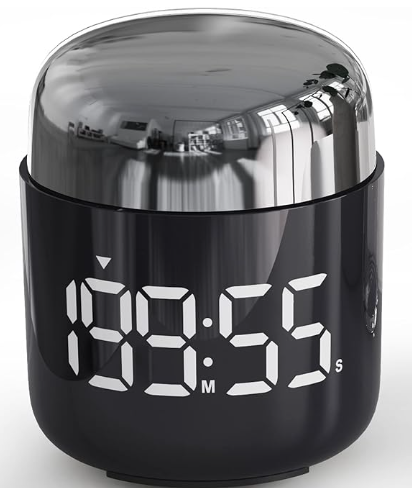
A simple, no-screen timing-method, such as a designated “timekeeper” passenger that can check use a free timer on their phone is perhaps the best option. After all you do not want the driving doing this…
The best option I have found to track the time is using the following item from Amazon.
The Result
- Keeps everyone present and engaged
- Can select the amount of time you wish for each game
- Maintains a safe, distraction-free environment
- Feels more organic and social like a real game show
This change alone made a noticeable difference in how enjoyable, and responsible, the game felt in real vehicles.
3. Standardizing the Word Pool: Scrabble Dictionary Only
Perhaps the most impactful insight came from gameplay disputes. The goal really is to eliminate ambiguity; testers overwhelmingly supported one clear solution for the following.
- “Is that really a word?”
- “I’ve never heard that before.”
New Ground Rule
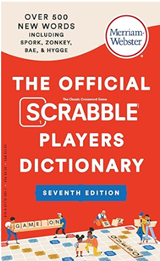
All playable words must come from the official Scrabble dictionary found here.
Why This Matters
- Creates a universal reference standard
- Eliminates debates about obscure or questionable words
- Rewards players who think strategically within a defined set
It also introduces a subtle competitive twist to the game, that players can study and prepare using the same accepted word list.
Bonus Evolution: Triples and Advanced Play
One of the most exciting discoveries during testing was how much players enjoyed pushing beyond simple pairs of words. While my original blog introduced triples like “two / to / too” there are far more of these than expected.
Test groups took this even further by actively seeking out more triples such as the following.
| balled | bawled | bald |
| buy | by | bye |
| air | heir | err |
| sight | site | cite |
| for | four | fore |
| leis | lays | laze |
| lochs | locks | lox |
| seize | seas | sees |
| ore | oar | or |
| rapped | rapt | wrapped |
Final Thoughts: From Concept to Road-Tested Game
I’ll be providing a downloadable list of curated homophones, including more adventurous word options for experienced players including.
- Classic pairs
- Advanced triples
What started as a simple idea has evolved into something far more refined thanks to real players putting it to the test.
The biggest takeaways:
- Simplify the rules to reduce confusion
- Prioritize safety over convenience
- Standardize word choices to keep gameplay fair
- Expand options for players who want a challenge
The result is a game that’s not just fun and educational, but also polished, scalable, and road-ready.